Your digestive system is often referred to as your body’s “second brain.” It dictates everything from your daily energy levels and mood to your immune system’s strength. Yet, when things go wrong in the gut, many of us ignore the warning signs, hoping the discomfort will just pass. If you have been relying on over-the-counter antacids or secretly Googling your symptoms, it is probably time to take a more definitive step.
Chances are, you’ve recently typed “gastroenterologist near me” into a search engine. Finding a highly qualified specialist is the most crucial step toward reclaiming your digestive health. A gastroenterologist is a medical expert specializing in the evaluation, diagnosis, management, and treatment of the gastrointestinal (GI) tract and liver.
Navigating the healthcare system to find the right expert can feel overwhelming, but it doesn’t have to be. This comprehensive guide will walk you through everything you need to know to find the best care possible, understand your symptoms, and prepare for your first visit.
One of the most common questions patients have is, “When should I see a GI specialist for digestive issues?” Minor stomach aches or an occasional bout of heartburn are usually nothing to worry about. However, when symptoms become persistent or interfere with your daily life, professional intervention is necessary.
Here are the key indicators that it is time to schedule a visit:
When looking for a gastro doctor near you, you might come across various medical titles. Understanding the distinction between these specialists will help you make the right appointment.
Often, patients are confused about gastroenterologist vs proctologist differences. Here is a simple breakdown:
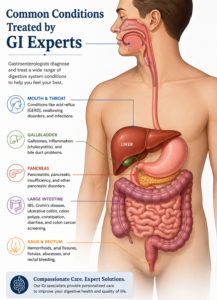
Digestive health experts handle a vast array of conditions, ranging from mild discomforts to chronic, life-altering diseases. By finding a highly-rated specialist, you open the door to targeted, effective treatments.
IBS is incredibly common and notoriously frustrating, causing cramping, diarrhea, and constipation. Today, top specialists offer holistic treatment for irritable bowel syndrome. This approach goes beyond standard medication, incorporating dietary modifications (like the low-FODMAP diet), stress management techniques, gut-directed hypnotherapy, and tailored probiotics to heal the gut microbiome.
Conditions like Crohn’s disease and Ulcerative Colitis fall under the umbrella of IBD. These are autoimmune conditions that cause severe inflammation in the digestive tract. Seeking advanced care for inflammatory bowel disease is vital, as modern treatments now include cutting-edge biologics, targeted therapies, and clinical trials that can push the disease into long-term remission.
Your GI tract doesn’t work alone. Conditions affecting the accessory organs are also within a GI doctor’s wheelhouse. Whether you are dealing with fatty liver disease, hepatitis, or gallstones, an experienced specialist can offer comprehensive liver and gallbladder disease treatment options to restore organ function and prevent further damage.
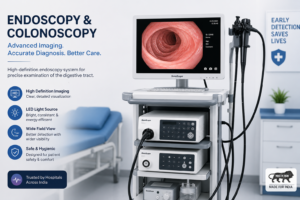
When you visit a digestive specialist, they will likely want to look inside to see exactly what is happening. Modern medicine offers highly accurate, minimally invasive diagnostic tests for digestive system disorders. These may include upper endoscopies, imaging tests (like CT scans or ultrasounds), breath tests for bacterial overgrowth, and specialized blood panels.
If you are over the age of 45, or if you have specific high-risk symptoms, your doctor will likely recommend a colonoscopy. Many patients feel anxious about this, but preparing for your first colonoscopy is much easier than it used to be.
Here are a few quick tips for a smooth prep:
When scheduling your procedure, look for top-rated outpatient endoscopy centers. These dedicated facilities are often more comfortable, efficient, and cost-effective than traditional hospital settings, offering a streamlined experience with specialized nursing staff.
Typing a search query is only the first step. To ensure you receive the highest standard of care, you need to evaluate your options carefully. Here is a step-by-step actionable guide to finding your ideal physician.
First and foremost, confirm that the physician is a board certified digestive health specialist. Board certification means the doctor has completed rigorous additional training and passed specialized exams in gastroenterology beyond their standard internal medicine requirements.
There is a high demand for GI specialists, and wait times can sometimes stretch for months. When contacting offices, specifically inquire about finding a GI doctor accepting new patients within a reasonable timeframe. If your issue is urgent, explain your symptoms to the receptionist; many clinics hold emergency slots for severe cases.
Medical care can be expensive, especially if diagnostics and endoscopies are involved. Save yourself from surprise medical bills by seeking out gastrointestinal clinics accepting major insurance plans. Always call the clinic’s billing department and your insurance provider to verify that the specific doctor is in-network for your plan.
Bedside manner matters, especially when discussing sensitive bodily functions. Take the time to read patient reviews for local digestive clinics. Look for trends in the reviews: Do patients mention that the doctor listens well? Is the office staff organized? Are wait times reasonable? While a few negative reviews are normal, a pattern of dismissive behavior or poor communication is a major red flag.
Once you have booked your appointment, preparation is key to getting the answers you need. Keep a detailed symptom diary for at least a week prior to your visit. Note what you eat, when your symptoms occur, and their severity.
To ensure you leave the office with a clear action plan, bring a list of targeted questions to ask a digestive health expert:
By being an active participant inmkmk your healthcare journey, you establish a collaborative relationship with your doctor, leading to much better outcomes.
Living with chronic digestive discomfort is not just physically exhausting; it drains your mental energy and diminishes your quality of life. You don’t have to settle for merely managing your symptoms with temporary, over-the-counter fixes.
By actively searching for a top-tier specialist, understanding when to seek help, and knowing what to look for in a clinic, you are taking a powerful step toward long-lasting wellness. Listen to your gut—literally and figuratively. Reach out, book that appointment, and get back to enjoying your life without the burden of digestive distress.
After reading about digestive health symptoms and treatment options, choosing the right specialist becomes the next important step. Patients looking for advanced digestive and liver care often prefer experienced gastroenterologists with specialized training in endoscopy, hepatology, and gastrointestinal disorders.
Dr. Raghuram Tangirala is known for providing comprehensive evaluation and treatment for stomach disorders, acidity, IBS, liver disease, gastritis, and other digestive conditions. With advanced gastroenterology training and experience, he is considered a trusted choice for patients seeking expert digestive care in Asansol.
Dr. Raghuram Tangirala is a gastroenterologist serving patients in Asansol, bringing specialist training and clinical experience from Hyderabad.
He has completed MBBS (2008), MD Internal Medicine (20152018), and DM Gastroenterology (20192022), along with a clinical observership at Singapore General Hospital (2014).
Yespatients commonly consult a gastroenterologist for liver-related concerns such as fatty liver disease, hepatitis, abnormal liver tests, or jaundice, with evaluation based on symptoms and reports.
Bring prior prescriptions, endoscopy/colonoscopy reports (if any), lab results, imaging (ultrasound/CT/MRI), and a brief timeline of symptoms, triggers, and medications.
For anyone searching for a dependable gastroenterologist, Asansol can consult for digestive and liver concerns, Dr. Raghuram Tangirala’s profile and training provide a strong starting point. Contact the clinic/hospital where you plan to visit to confirm availability, appointment timings, and any required referral documents.